

Hiring is one of those things every founder knows they need to do… but very few feel confident doing well.
At first, it feels simple. You’re overwhelmed, things are breaking, and your instinct is to find someone, anyone, who can help lighten the load. But that’s where most businesses get stuck. Because hiring isn’t just about bringing in help. It’s about bringing in the right kind of help at the right time. And if you don’t have a framework for that, hiring quickly turns into guesswork.
What we’ve found, after working across dozens of businesses, is that almost every role falls into one of three categories. Once you understand these, hiring becomes a lot more strategic and a lot less stressful.
First, Let’s Ground This in Reality
There’s a quote from Jim Collins that sums this up perfectly:
“Great vision without great people is irrelevant.”
You can have the best strategy, the best product, the best ideas… but if you don’t have the right people to execute, none of it matters. At the same time, there’s no such thing as a “perfect hire.” What actually matters is finding the right person for the specific role your business needs right now.
And that’s where this framework comes in.
The 3 Types of Hires
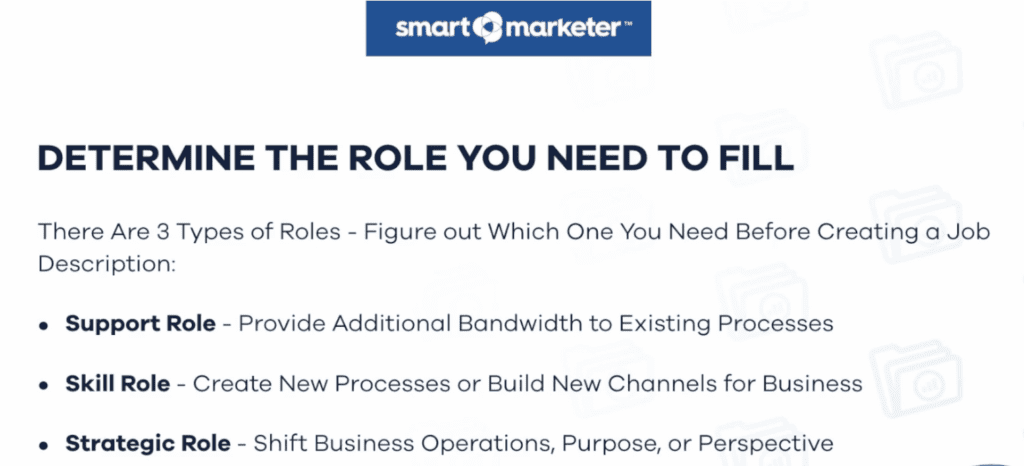
Every hire you make will fall into one of these three buckets: Support. Skill. Strategic.
Each one serves a different purpose, requires a different hiring process, and shows up at a different stage of growth. If you mix them up, things get messy. If you align them correctly, hiring becomes one of your biggest growth levers.
Support Roles: Creating Breathing Room
Support roles are where most businesses should begin.
These hires aren’t brought in to reinvent your business. They’re there to help your existing systems run more efficiently by taking work off your plate (and your team’s plate). Think of roles like customer service reps, junior copywriters, project coordinators, or virtual assistants. Their job is to execute on processes that already exist, not to create new ones. Because of that, the most important thing you’re looking for here isn’t deep expertise. It’s attitude, reliability, and culture fit.
If someone can communicate well, stay organized, and is eager to learn, they can usually succeed in a support role. The systems are already in place. The goal is to give them structure, training, and an environment where they can grow. These roles are incredibly important because they prevent burnout. When your team is overloaded, performance drops, mistakes increase, and growth stalls. Support hires give everyone the bandwidth to do their best work.
They also become your future talent pipeline. Many of the best leaders in growing companies start in support roles and develop over time.
Skill Roles: Building What’s Missing
You reach a point where you need something new: a channel, a system, or a function that doesn’t exist yet inside your business. That’s where skill roles come in. These are people with proven expertise who can build something from scratch or significantly improve an existing area. They’re not following a playbook. They’re writing it.
Examples might include hiring a media buyer to bring paid ads in-house, an email marketer to build your retention engine, or someone to expand your business onto Amazon. What separates these hires is experience. You’re looking for people who have done this before, who understand the pitfalls, and who can shortcut your path to success.
These hires tend to be more expensive and require a more thorough hiring process. It’s common to include paid assessments or projects so you can see how they actually think and execute, not just how they interview. But when you get these hires right, they become major growth drivers. They don’t just execute tasks assigned to them, they create systems that your business will rely on for years.
Strategic Roles: Scaling Beyond You
The final category is the one most founders think about the most, but should pursue the least often: strategic hires.
These are the people who help shape the direction of the business itself. They’re not just managing a function or channel. They’re influencing decisions across the company, aligning teams, and helping carry the vision forward. This includes roles like a COO, CMO, or even a strategic investor who brings more than just capital to the table.
Hiring at this level is fundamentally different. It’s less about interviewing and more about alignment. You’re looking for someone who shares your vision, understands your business at a deep level, and can be trusted to make high-impact decisions. Often, the best way to approach these hires is to start with a working relationship first. Many strategic leaders begin as consultants or contractors, proving their ability to execute before stepping into a larger role.
It’s also important to be intentional here. Too many strategic voices can create confusion instead of clarity. These roles should be added carefully and only when they truly unlock leverage for the business.
Why This Framework Matters
One of the biggest mistakes founders make is hiring the wrong type of role for the problem they’re trying to solve. They hire a strategist when they actually need execution. Or they bring in a junior person when they really need expertise. The result is frustration on both sides and slower progress than expected.
When you understand these three categories, that confusion goes away. You can clearly identify what your business needs and hire accordingly. If you’re overwhelmed, you need support. If you’re stuck, you need skill. If you’re maxed out, you need strategy.
The Bigger Picture
Hiring isn’t about filling positions. It’s about building a system. Support roles keep the system running. Skill roles improve and expand it. Strategic roles guide where it goes next. When those three pieces are working together, your business becomes far more than something you’re managing day-to-day. It becomes something that can grow, evolve, and scale beyond you.
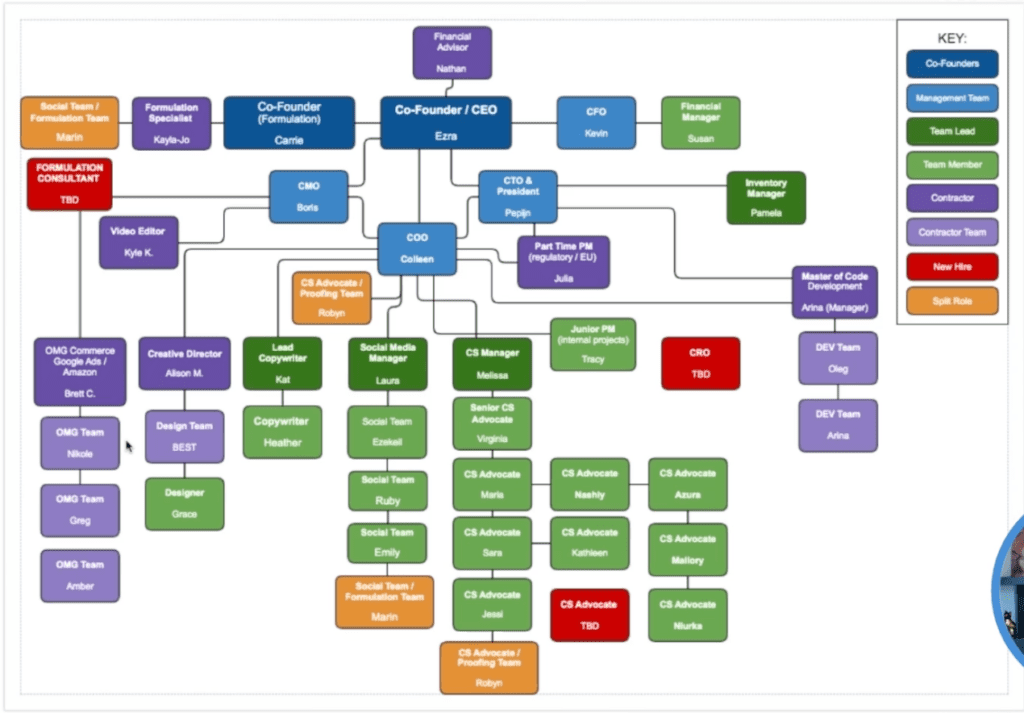
And that’s the real goal.
Want more help hiring and building systems in your business? Check out Smart Business Systems, our course full of lessons from 40+ years of combined ecommerce experience from our coaches.


